Trick and Scam Analysis

Expanded analysis of strategy, psychology and realism in popular scam films. We break down the intricate details of what makes cinematic deceptions so captivating, exploring the fine line between movie magic and real-world grift. Understanding these mechanisms not only enhances your viewing experience but also provides a fascinating glimpse into human behavior, trust, and the vulnerabilities of both complex systems and the human mind.

Every breakdown here assumes two audiences at once: the casual viewer who wants a satisfying "aha" after the credits, and the detail-oriented fan who rewatches to catch foreshadowing. Where Hollywood compresses timelines or exaggerates tech, we call that out so you can enjoy the scene without mistaking it for a documentary. The goal is literacy, not cynicism—knowing how a trick is built often makes the filmmaking more impressive, not less.

Video breakdowns use thumbnail links to YouTube (open in a new tab). That avoids “playback on other websites has been disabled” and other embed limits — you always watch in YouTube’s own player.

Ocean-style heist coordination

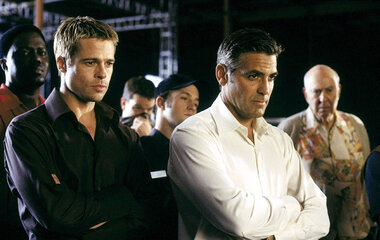
Ocean's Heist Mechanics

The strongest advantage is synchronization: each small event feels accidental until precise timing turns them into one coordinated system-level strike.

Ensemble heists work because the script turns specialization into suspense: you care about the pickpocket, the demolitions expert, and the inside actor as separate jeopardy lines that must converge. When one thread wobbles, the whole operation feels fragile, which keeps the third act from becoming pure exposition.

On repeat viewings, watch for routine: Vegas-floor and vault stories often dramatize shift changes, maintenance windows, and crowd flow because those are the real constraints a planner would study first.
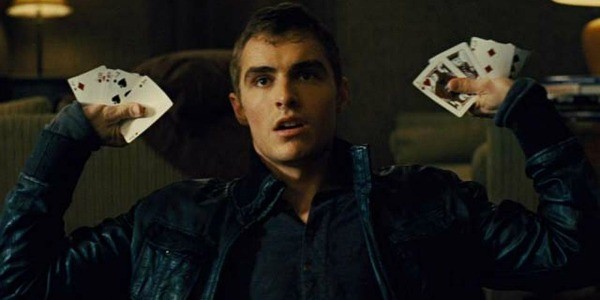
Now You See Me team planning a deception

Con-Artist Psychology

Most successful fraud relies on social engineering rather than technical hacking: confidence, urgency, and authority cues are used to steer decisions in real time.

Films about cons emphasize rapport and pacing: the mark should feel clever, in control, or morally justified right up until the trap closes. That mirrors classic grift stages—attention, trust, escalation, and extraction—compressed into two hours of dialogue and reaction shots.

Magic-adjacent movies add another layer: spectacle is not only entertainment but a literal smokescreen, so the story can comment on media, celebrity, and who gets believed in public.

YouTube thumbnail: Ocean's Eleven heist breakdown Watch on YouTube

Opens on YouTube — not blocked by third-party embed settings.

Ocean's Eleven works as a layered operation, not a single genius move. The crew first maps routine behavior, then introduces controlled disruptions that look unrelated: false identities, timed access windows, staged technical failures, and authority cues that keep staff reacting instead of verifying. The EMP moment is only one hinge in a longer chain. The core trick is epistemic: security teams see many true details, but they assemble them into the wrong narrative. The final twist feels elegant because every step is visible in advance, yet its purpose is hidden until timing, logistics, and perception lock together.

From a writing perspective, the film also succeeds because Danny Ocean's personal stake is simple and legible: pride, rivalry, and a wish to look effortless in front of peers. That emotional spine keeps the technical material from feeling like a dry manual. When you rewatch, note how often humor and small character beats arrive right before a dense logistics beat—the audience gets a breath, then another piece of the machine.

YouTube breakdown: Ocean's Eleven heist plan

YouTube thumbnail: Scorsese Vegas crime analysis Watch on YouTube

Opens on YouTube — not blocked by third-party embed settings.

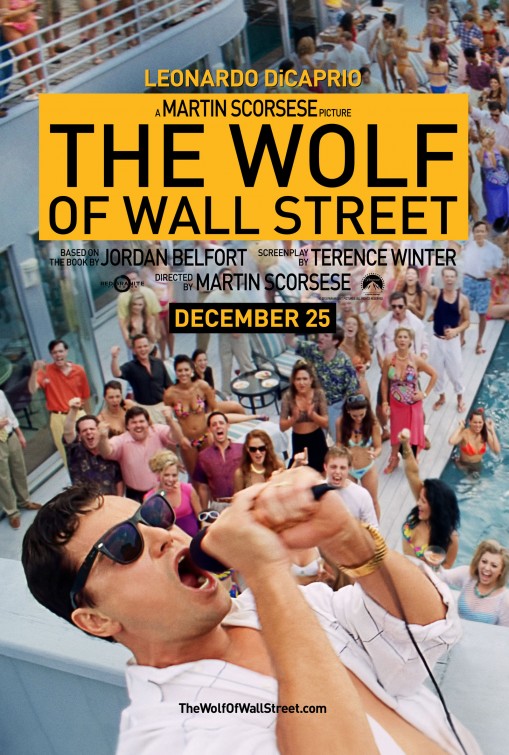
The film dramatizes the era, but its fraud logic is grounded in real system weaknesses. The key mechanisms are skimming before official counting, pressure on floor personnel, and selective visibility in surveillance workflows. In practice, large Strip operators reduce risk through layered supervision, transaction reconciliation, and role separation that prevents one actor from controlling the full cycle. The story shows what happens when discipline erodes: charisma, violence, and political favors override procedure, so losses become hard to trace and accountability dissolves. As a breakdown, it is less about card mechanics and more about organizational failure under greed, status games, and unchecked power.

The film is also a study in incompatible management styles: one character wants metrics, compliance, and a clean floor; another wants fear and personal loyalty. When those philosophies collide inside the same operation, small exceptions become precedents, and precedents become holes. That is why it ages well as a tragedy about institutions, not only as a period piece about velvet ropes and neon.

YouTube breakdown: Vegas crime epic

YouTube thumbnail: Catch Me If You Can truth vs fiction Watch on YouTube

Opens on YouTube — not blocked by third-party embed settings.

Catch Me If You Can frames Frank Abagnale as a charming prodigy, but the practical lesson is social engineering under slow verification. The strongest tactics are identity shortcuts: uniforms, polished language, and confident timing that exploit institutional trust before records are checked. A truth-versus-film breakdown shows that several events are compressed or disputed, yet the deception model remains credible: move fast, borrow authority, avoid repeated scrutiny, and keep targets inside a familiar script. The film matters because it reveals a durable weakness in human systems: people validate appearances first and evidence second when pressure, status, and urgency are present.

Furthermore, the true brilliance of Abagnale's portrayal lies in his adaptability. He wasn't just a forger; he was an improvisational actor on the world's largest stage. When confronted with unexpected hurdles, his default response was never panic, but rather an escalation of his persona. He utilized the 'halo effect'—the cognitive bias where our overall impression of a person influences how we feel and think about their character. By adopting the roles of highly respected professionals like pilots and doctors, he borrowed the credibility inherent to those positions, proving that audacity is often the most potent tool in a con artist's arsenal.

YouTube breakdown: Catch Me true vs fiction

YouTube thumbnail: Top movie cons and deceptions Watch on YouTube

Opens on YouTube — not blocked by third-party embed settings.

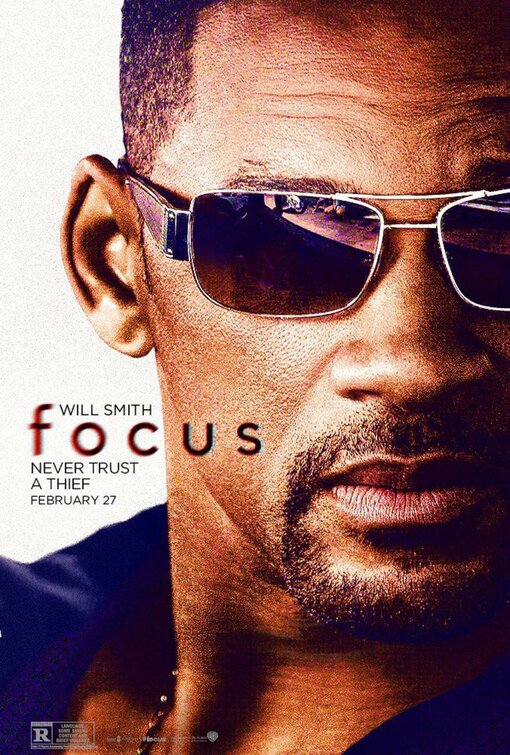
Top movie deceptions follow one common architecture: give the audience or target a coherent visible story while the real mechanism runs in parallel. Now You See Me uses spectacle to consume attention, Focus weaponizes rhythm and decision fatigue, and The Prestige hides obsession inside professional rivalry. Inside Man turns hostage chaos into narrative control, while The Sting proves that long cons succeed when a victim helps stabilize the illusion. Seen together, these films show that deception scales through framing, not just clever gadgets. The most reliable trick is contextual control: if you shape what people think is normal, they will often explain your manipulation for you.

If you marathon several of these back-to-back, you will notice recurring motifs: the "test" that is actually recruitment, the stolen glance that signals a double-cross, and the prop that appears innocent until act three. Spotting those patterns does not ruin the fun—it turns each film into a conversation with the others about how much explanation a director owes the viewer.

YouTube breakdown: Now You See Me trick reveal

Misdirection is the cornerstone of any successful trick, both on screen and in real life. It relies on the brain's limited capacity to process information. By presenting a high-contrast, attention-grabbing event, the trickster forces the target to focus on the wrong detail, leaving the actual mechanics of the trick entirely unnoticed. This cognitive blind spot is not a sign of foolishness but a fundamental human trait. Con artists exploit our natural assumptions—that people in uniforms have authority, that a dropped item is an accident, or that a sudden loud noise demands our full attention.

In heist cinema, misdirection isn't just physical; it's often narrative. The audience is led to believe the protagonist's main goal is one thing, only to discover the true objective in the final act. This double-layered storytelling is what makes rewatching these films so rewarding, as you begin to spot the subtle cues and setup hidden in plain sight.

Editors and composers reinforce misdirection with rhythm: a steady pulse can lull you into expecting one kind of scene, then a sudden silence or hard cut reframes what you thought you were watching. Once you listen for that pattern, even mediocre thrillers become interesting as craft exercises.

YouTube thumbnail: Why Ocean's Eleven structure works Watch on YouTube

Opens on YouTube — not blocked by third-party embed settings.

Ocean's Eleven is often treated as pure style, but its endurance comes from structural precision. The script assigns each specialist a clear functional lane, then sequences tasks so competence creates suspense without constant internal conflict. Information is rationed carefully: viewers know enough to track progress, but not enough to predict the full assembly. That design turns planning itself into entertainment and keeps tone cool even under pressure. The film's "noisy calm" is intentional craft, where editing, music, and blocking all reinforce the same promise: this team understands the system better than the system understands itself. That is why it remains a template for modern ensemble heist writing.

Compare that template to a single-protagonist thriller: ensembles trade deep interior monologue for crosscutting and chemistry. The trade works when every member has a definable skill and a moment of jeopardy that only they can solve. Weak ensemble films blur those lanes; strong ones treat them like positions on a sports team.

YouTube breakdown: why Ocean's structure works

Articles about TV Shows/Movies

New Category: 'Gambling in Cinema: Breakdowns'

Blackjack

How to Count Cards in Blackjack: Lessons from '21'

Math vs. Casino: analyzing how realistic card counting is portrayed.

Poker

Poker Rules for Beginners — using 'Casino Royale' as an example

Texas Hold'em and bluffing: learning from Agent 007.

Casino math

Why Does the Casino Always Win? The Mathematics of Gambling

House edge, variance, and probability theory in real life and movies.

Famous heists

The Most Famous Casino Scams Caught on Film

From Richard Marcus to the MIT Blackjack Team.

Vegas history

History of Las Vegas Casinos: From the Mafia to Legalization

How Sin City changed and how it was shown in classic cinema.

Reading order for a deep dive

If you are new to the genre, start with a film you already like, then open the matching accordion above while pausing at major beats. If you are experienced, try the reverse: watch a breakdown video first, then see how the movie hides its setup in performance and production design rather than in dialogue.

We will keep adding angles—magician ethics, cybersecurity portrayals, and courtroom cons—because the same story shapes appear across decades. When two films use a similar device, comparing them side by side shows how tone changes meaning: the same "inside man" twist reads as playful in one universe and bitter in another.

I want more breakdowns